Why Long-Term Relationships Matter in the Global Honey Trade
The international honey market offers significant opportunities for Indian businesses. However, finding buyers is only the first step. Building lasting business relationships is what helps exporters achieve consistent orders, stronger partnerships, and sustainable growth.
A reliable Honey Exporter India must understand that international buyers look beyond competitive pricing. They want consistent product quality, dependable deliveries, transparent business practices, and suppliers who understand their requirements.
For importers, wholesalers, food manufacturers, and private-label brands, choosing the right honey supplier can directly affect their business operations and customer satisfaction.
This makes relationship-building an essential part of successful honey exports.
Indian honey exporters who focus on trust, communication, and long-term value can establish stronger connections with international markets.
1. Maintain Consistent Honey Quality Across Every Shipment
Product quality is one of the most important factors in international buyer relationships.
Global buyers expect every shipment to meet agreed specifications. Differences in colour, flavour, moisture content, composition, or other quality parameters can create challenges for their production and distribution processes.
A professional exporter should establish clear quality-control procedures at every stage.
These include:
Selecting honey from reliable sourcing partners.
Checking incoming raw honey.
Monitoring moisture content and other quality parameters.
Maintaining suitable processing and filtration practices.
Conducting laboratory testing where required.
Inspecting finished products before dispatch.
Consistency helps buyers maintain their own product standards and avoid unnecessary quality-related complications.
Understand the Buyer's Quality Specifications
Different markets and applications may have different honey requirements.
For example, food manufacturers may require specific moisture levels and flavour characteristics. Retail brands may focus more on colour, packaging, and product consistency.
Exporters should discuss these requirements before confirming an order.
Providing relevant product specifications, certificates of analysis, and applicable food-safety documentation helps buyers understand what they are purchasing.
These records also make future orders easier because both parties can refer to previously agreed specifications.
A dependable Honey Exporter India should treat quality documentation as part of the business relationship rather than an additional formality.
. Build Trust Through Transparent Communication
Clear communication helps prevent misunderstandings and strengthens international partnerships.
Buyers often coordinate with suppliers across different countries, time zones, and business environments. Delayed responses or incomplete information can make business operations difficult.
Exporters should maintain professional communication throughout the purchasing process.
This includes responding to enquiries, explaining product specifications, sharing quotations, confirming order details, and providing shipment updates.
Be Honest About Product Capabilities
Exporters should communicate clearly about available honey varieties, processing capabilities, packaging options, minimum order quantities, and production timelines.
Avoid making promises that cannot be fulfilled.
If a particular product specification requires additional processing or testing, communicate this before confirming the order.
Honest communication creates realistic expectations and reduces the possibility of disputes.
Keep Buyers Updated Regularly
International buyers appreciate suppliers who provide timely updates.
For example, an exporter can share information about:
Order confirmation.
Production progress.
Quality inspection.
Packaging completion.
Shipment scheduling.
Shipping documentation.
Regular updates demonstrate professionalism and help buyers plan their inventory and distribution activities.
3. Ensure Reliable Supply and On-Time Deliveries
A buyer may be satisfied with the product, but repeated delivery delays can damage an otherwise strong business relationship.
For importers and food manufacturers, maintaining sufficient inventory is essential. Delayed shipments can interrupt production schedules, affect customer commitments, and increase operational costs.
Therefore, exporters should develop reliable sourcing and supply-chain management practices.
Plan Production and Inventory Carefully
A structured procurement and inventory process helps exporters manage changing order volumes.
Businesses should maintain relationships with dependable honey sourcing partners and plan production according to confirmed orders and realistic demand forecasts.
They should also consider seasonal availability and potential supply-chain disruptions.
Set Realistic Delivery Commitments
Before accepting an order, exporters should evaluate production capacity, packaging requirements, documentation, and shipping arrangements.
Delivery timelines should be realistic rather than overly optimistic.
A professional Bulk Honey Exporter India understands that reliable delivery is just as important as competitive pricing.
When unexpected delays occur, buyers should be informed immediately, along with an updated delivery estimate.
4. Offer Flexible Packaging and Bulk Supply Solutions
International buyers do not all purchase honey in the same format.
Some importers distribute honey to retailers, while others use it as an ingredient in food manufacturing. Private-label businesses may also require customised packaging and branding solutions.
Understanding these different requirements helps exporters serve a wider range of customers.
Provide Packaging Options Based on Buyer Needs
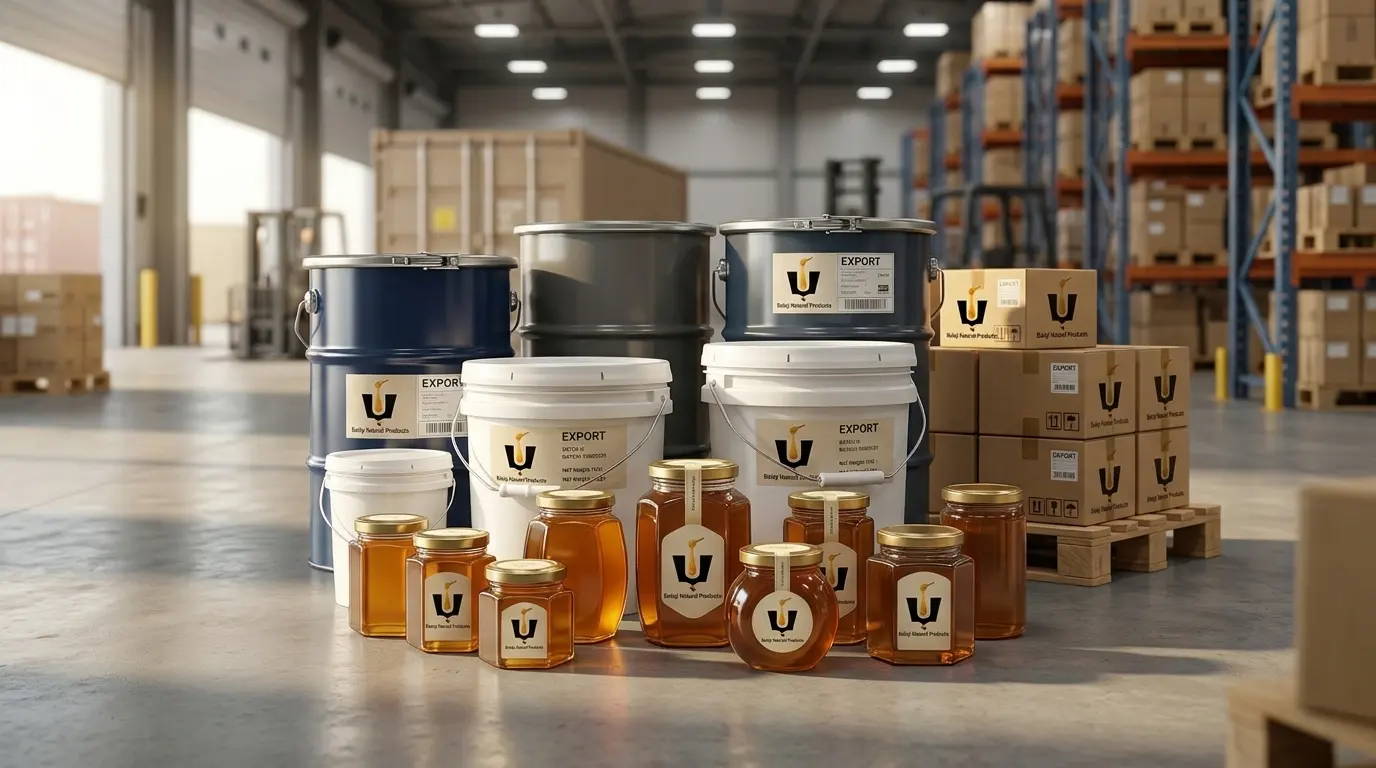
Depending on production capabilities and customer requirements, exporters can offer packaging options such as:
Food-grade buckets.
Industrial cans.
Suitable bulk containers.
Epoxy-coated drums where appropriate.
Customised private-label packaging.
Packaging should be selected according to the honey's intended application, transportation conditions, storage requirements, and applicable regulations.
Support Private-Label Business Requirements
Private-label buyers often need more than a product supplier.
They may require assistance with packaging specifications, labelling information, product documentation, and repeat-order planning.
A Honey Manufacturer India that understands these requirements can become a valuable long-term production partner.
Flexible solutions also help buyers expand their product ranges without constantly searching for new suppliers.
5. Understand International Regulations and Export Requirements
Compliance is essential for maintaining successful international trade relationships.
Every importing market may have different requirements related to food safety, product composition, labelling, packaging, testing, and documentation.
Exporters must understand the regulations applicable to their destination markets.
Stay Updated With Importing Country Standards
For example, businesses exporting honey to European markets should understand the relevant European Union food safety, traceability, and honey marketing requirements.
Similarly, exporters serving other destinations should review the applicable national import regulations.
Useful areas to monitor include:
Product composition and authenticity requirements.
Permitted processing practices.
Contaminant and residue limits.
Food safety and hygiene standards.
Labelling and packaging requirements.
Import documentation and traceability.
The exporter should verify requirements for each destination instead of assuming that one set of documents applies to every country.
Maintain Accurate Export Documentation
Proper documentation helps buyers complete their import procedures and maintain internal records.
Depending on the destination and transaction, relevant documents may include commercial invoices, packing lists, certificates of origin, shipping documents, laboratory reports, and applicable health or conformity certificates.
External resource: European Commission – Food Safety
By staying informed about regulatory changes, exporters can help buyers avoid unnecessary delays and compliance-related problems.
6. Offer Competitive Pricing Without Compromising Quality
Pricing is an important consideration when international buyers evaluate suppliers.
However, the cheapest quotation does not always represent the best business value.
Buyers also consider product consistency, documentation, packaging quality, delivery reliability, and after-sales support.
Exporters should develop pricing strategies that balance competitiveness with sustainable operations.
Provide Clear and Detailed Quotations
A professional quotation should clearly explain:
Honey variety and product specifications.
Order quantity.
Packaging type.
Price and applicable currency.
Shipping terms and responsibilities.
Payment conditions.
Estimated delivery timeline.
Validity of the quotation.
Clear pricing helps buyers compare suppliers and understand the complete cost of their purchase.
Focus on Long-Term Business Value
Instead of competing only on price, exporters should demonstrate the value they provide.
Consistent quality, dependable supply, accurate documentation, and responsive customer service can justify a stronger long-term business relationship.
A reliable Bulk Honey Supplier India should focus on helping buyers maintain their own product quality and business profitability.
7. Provide Strong After-Sales Support and Encourage Repeat Orders
The relationship between an exporter and buyer should not end when a shipment leaves the warehouse.
After-sales support is an important opportunity to demonstrate commitment and build buyer confidence.
Exporters should follow up after deliveries to understand whether the shipment met the buyer's expectations.
Collect Feedback After Every Shipment
Simple questions can provide valuable insights:
Did the product meet the agreed specifications?
Was the packaging suitable?
Did the shipment arrive within the expected timeframe?
Were the documents complete?
Are there any improvements required for the next order?
This feedback helps exporters identify operational gaps and improve future shipments.
Build a Structured Repeat-Order Process
Maintaining a record of buyer preferences, previous specifications, packaging requirements, and order history makes future transactions easier.
Exporters can also discuss expected monthly or quarterly requirements with regular buyers.
This supports better production planning and helps both businesses maintain a predictable supply arrangement.
A professional Honey Supplier India should aim to become a dependable business partner rather than simply another name on a buyer's supplier list.
The Role of Indian Honey Manufacturers in Building Global Partnerships
India has an established honey production and export ecosystem, creating opportunities for manufacturers and exporters to serve international markets.
However, global competition requires businesses to demonstrate more than product availability.
Successful manufacturers need organised procurement, suitable processing facilities, quality-control systems, reliable packaging operations, and professional export coordination.
A capable Honey Manufacturer India can support international buyers by offering consistent product specifications and dependable bulk supply arrangements.
Manufacturers who understand the needs of importers, wholesalers, distributors, and private-label brands can develop stronger commercial partnerships.
They should also invest in improving their processes as buyer expectations and international regulations evolve.
Why International Buyers Should Choose a Reliable Indian Honey Partner
Selecting a honey supplier is an important business decision for international buyers.
The right partner should understand both product requirements and the practical challenges of importing honey.
Before entering a long-term agreement, buyers should evaluate several factors.
Product consistency: Check whether the supplier can maintain agreed specifications across multiple shipments.
Quality documentation: Review relevant testing reports and product documentation.
Supply capacity: Understand the supplier's ability to manage regular and bulk orders.
Packaging capabilities: Confirm whether available packaging meets the intended application and transportation requirements.
Communication: Evaluate how quickly and clearly the supplier responds to enquiries.
Export experience: Discuss the supplier's familiarity with destination-market requirements and shipping documentation.
Working with a reliable Indian supplier can help international buyers establish a more predictable procurement process.
How Balaji Natural Products Supports Long-Term Honey Supply Partnerships
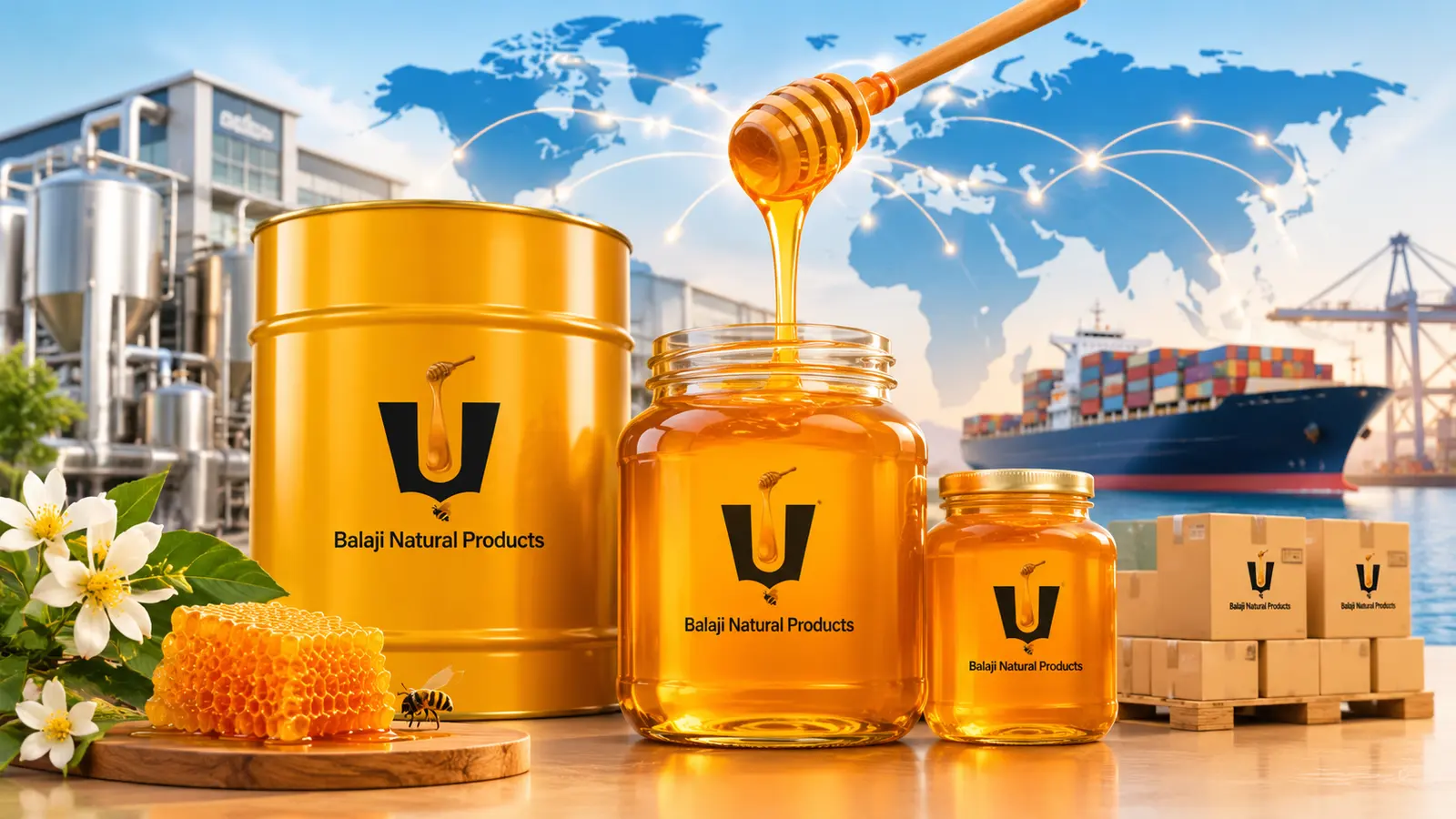
Balaji Natural Products focuses on bulk honey supply and private-label business requirements, helping businesses source honey for different commercial applications.
With more than 20 years of experience in the honey industry, the company understands the importance of product quality, reliable sourcing, and professional business coordination.
Its experience in bulk and private-label honey supply supports the requirements of businesses looking for a dependable supply partner.
The company offers packaging solutions including buckets, cans, and epoxy-coated drums, subject to product and order requirements.
For international buyers, a successful partnership involves understanding specifications, discussing packaging preferences, maintaining clear communication, and coordinating orders professionally.
Balaji Natural Products aims to build business relationships based on these principles.
Whether you are an importer, distributor, food manufacturer, or private-label brand, choosing a supplier that understands your requirements can make a meaningful difference to your procurement operations.
Explore more: [Internal Link to Relevant Balaji Natural Honey Page – Bulk Honey Supply / Private Label Honey]
Conclusion: Build Trust Before Focusing on the Next Order
Long-term success in international honey trade depends on much more than securing individual export orders.
It requires consistent quality, transparent communication, dependable supply, flexible packaging, regulatory awareness, and responsive after-sales support.
For an Indian exporter, these practices create opportunities to develop stronger relationships with importers, distributors, and food manufacturers across international markets.
A trusted Honey Exporter India understands that every shipment contributes to the buyer's confidence in the business.
By focusing on long-term value instead of short-term transactions, Indian honey businesses can establish meaningful global partnerships and create opportunities for sustainable growth.
Looking for a reliable bulk honey supply partner from India?
Connect with Balaji Natural Products to discuss your honey sourcing, bulk supply, and private-label requirements.