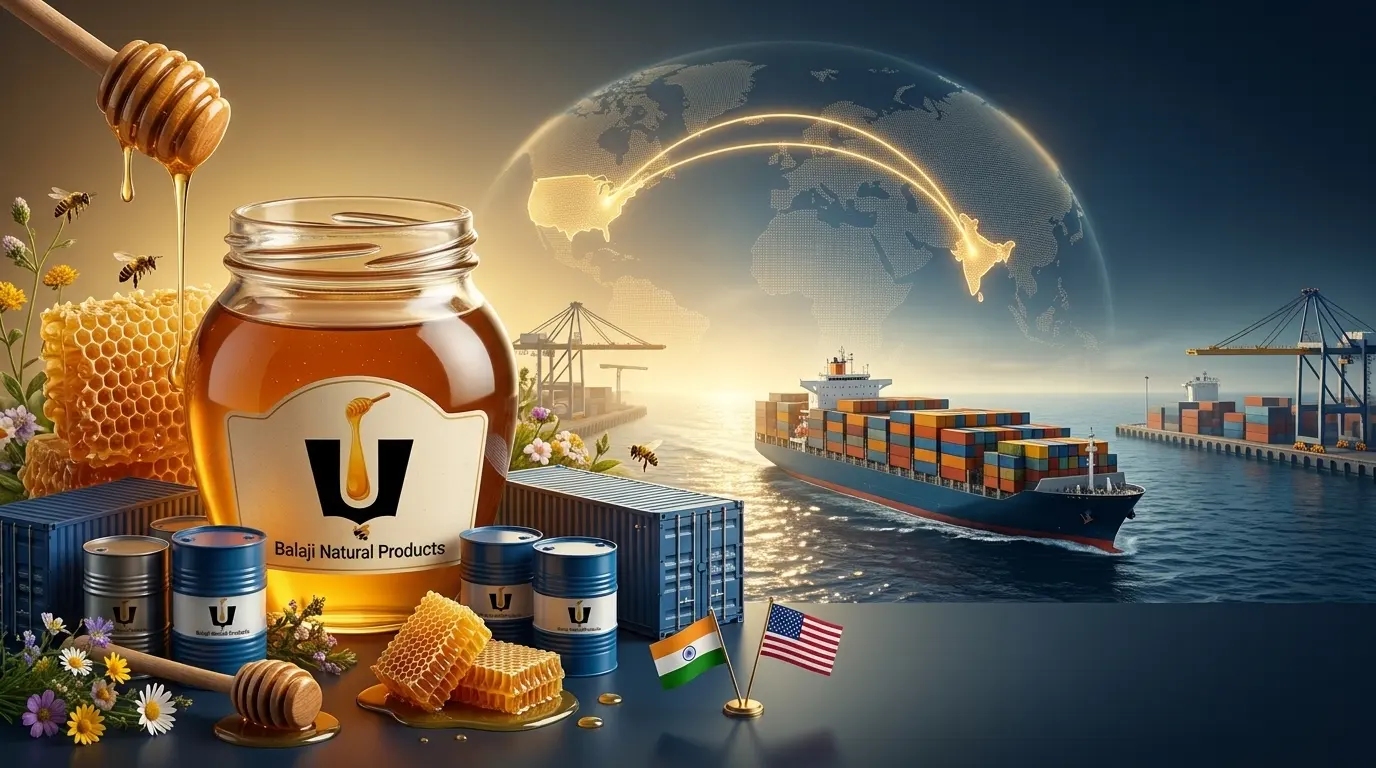
The United States is one of the world's largest honey-importing markets, creating significant opportunities for Indian honey manufacturers and exporters. Demand comes from households, food manufacturers, bakeries, restaurants, distributors and private-label brands. For Indian businesses, becoming a reliable Honey Exporter India to USA means understanding international buyer expectations, maintaining product quality and meeting food safety requirements. India's diverse floral resources, established beekeeping industry and growing processing capabilities make it an attractive sourcing destination.
This article explores the American honey market, emerging business opportunities and important considerations for Indian exporters looking to expand their international presence.
1. Understanding the Growing Honey Market in the USA
The American honey market serves multiple industries, including retail, food processing, bakery, confectionery and beverages.
According to World Bank WITS trade data, the United States imported approximately 254.9 million kg of natural honey, valued at $650.2 million, in 2024. India was among its leading suppliers, contributing approximately $151.2 million worth of honey.
The USDA also reported that imports accounted for approximately 76% of the US honey supply in 2024.
This dependence on international suppliers creates opportunities for Indian exporters offering consistent quality, competitive pricing, reliable quantities and transparent sourcing practices.
2. Why Indian Honey Has Strong Export Potential
India has several advantages that support its position in the international honey trade.
Diverse Floral Honey Varieties
India produces honey from different floral sources, including:
Mustard honey
Eucalyptus honey
Acacia honey
Multifloral honey
Forest honey
Litchi honey
These varieties offer different flavours, colours and characteristics, allowing exporters to serve different customer preferences.
Established Manufacturing Infrastructure
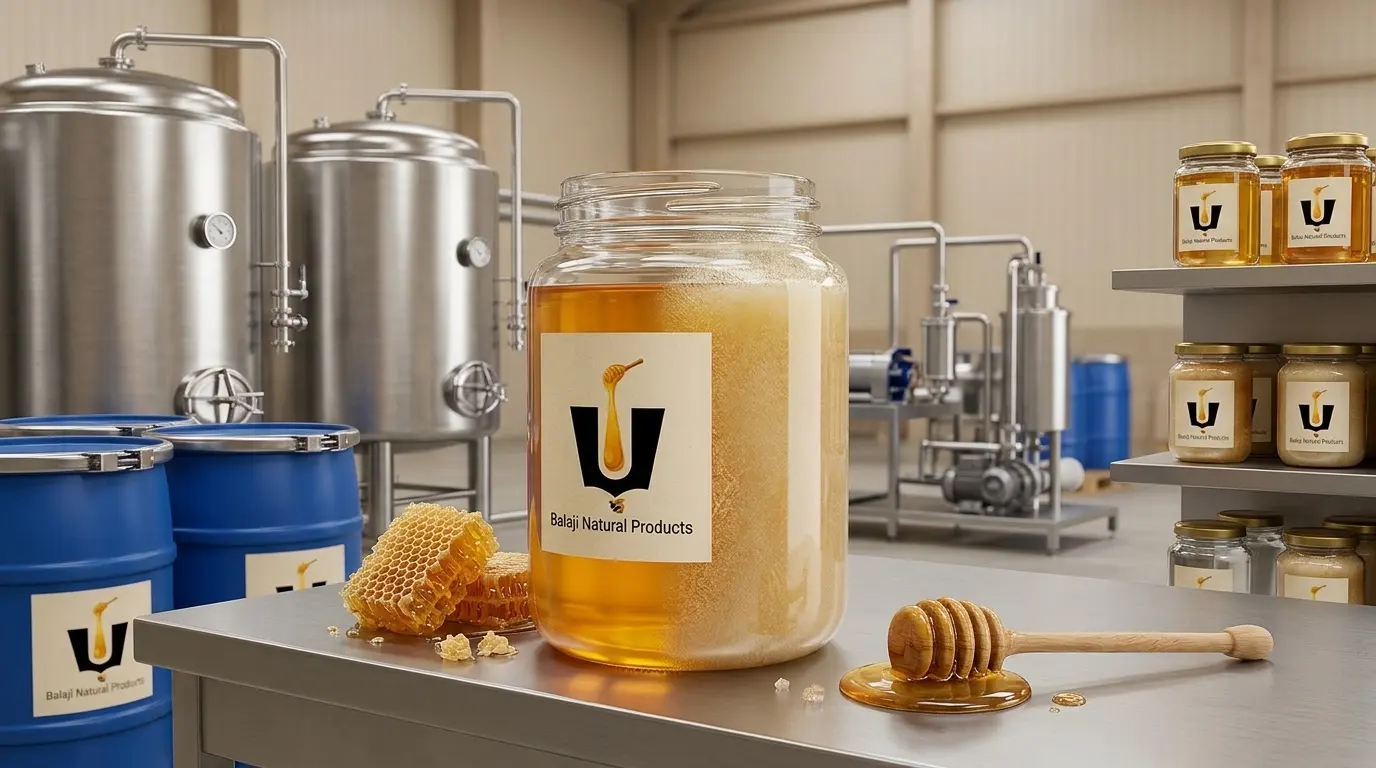
India has an established network of beekeepers, collection centres, processing facilities and honey manufacturers. This infrastructure supports bulk sourcing, filtration, quality testing and commercial packaging.
An experienced Honey Manufacturer India can also customise product specifications according to international buyer requirements.
Competitive Sourcing
Indian suppliers can offer different varieties and packaging formats based on sourcing availability and order quantities. However, competitive pricing must always be supported by product authenticity, purity and appropriate quality controls.
3. Major Honey Market Trends Creating Opportunities in the USA
Understanding consumer preferences helps Indian businesses identify potential customers.
Growing Interest in Natural Sweeteners
Many American consumers use honey as an alternative to conventional sweeteners. It is commonly used in beverages, breakfast foods, smoothies and homemade recipes.
Increasing Demand from Food Manufacturers
Honey is an important ingredient in several food products, including:
Bakery and confectionery products
Breakfast cereals and granola
Energy bars and snacks
Sauces and dressings
Packaged beverages
Dairy products and desserts
This creates opportunities for a dependable Bulk Honey Supplier India capable of providing consistent specifications and commercial quantities.
Premium and Private-Label Honey
American retailers and food brands are exploring specialty honey varieties and customised products.
Private-label manufacturing is particularly attractive because businesses can sell honey under their own brand names. Indian manufacturers offering customised packaging, labelling and bulk production can benefit from these partnerships.
4. Key Business Opportunities for Indian Honey Exporters
Indian businesses can target different customer segments depending on their manufacturing capabilities.
Bulk Honey Supply
Importers, distributors and food processing companies often require honey in large quantities.
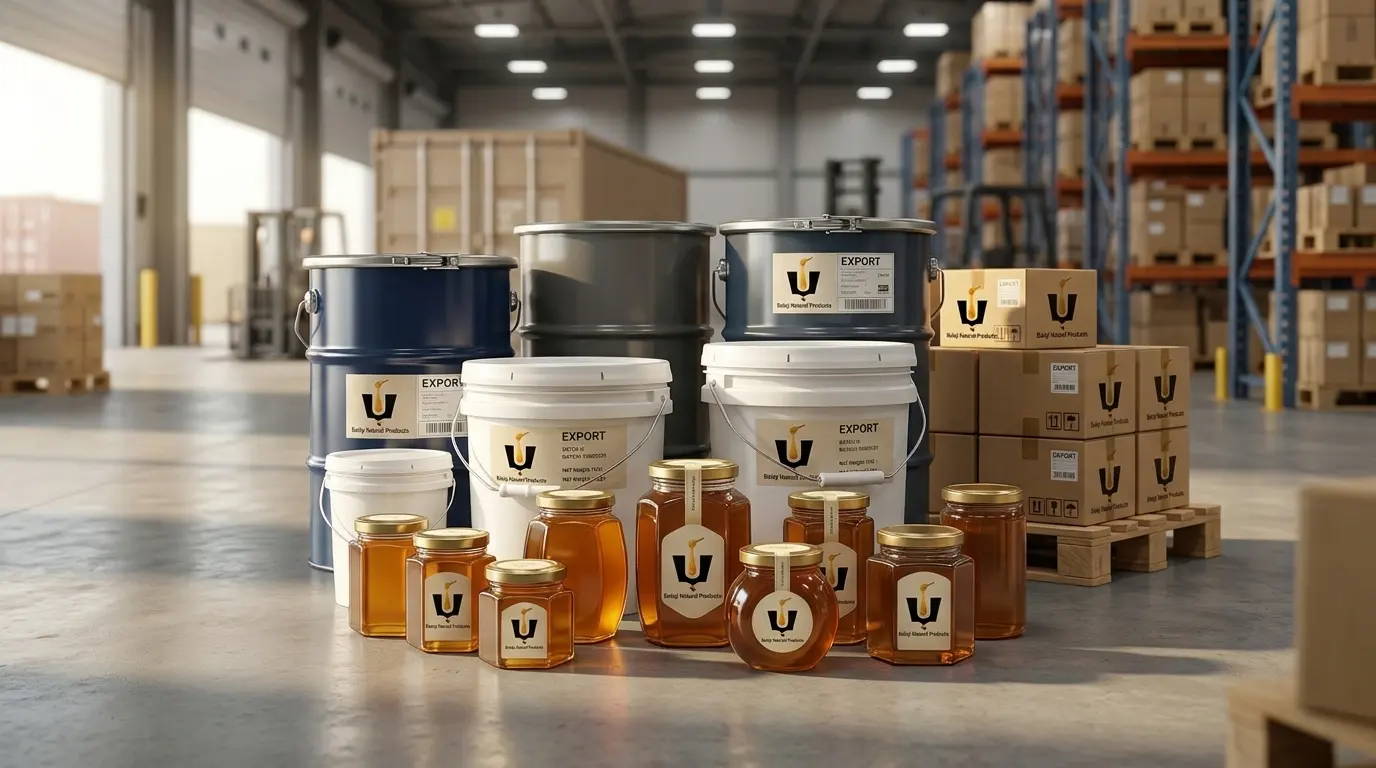
Common packaging options include food-grade drums, buckets and cans. Buyers generally evaluate purity, moisture content, flavour consistency, laboratory reports, packaging suitability and supply capacity.
A professional Bulk Honey Exporter India should maintain clear product specifications and reliable production arrangements.
Retail and Distribution Supply
Packaged honey offers opportunities to work with supermarkets, wholesalers and distributors. Exporters may need to provide different packaging sizes, customised labels and consumer-ready products.
Private-Label Manufacturing
Working with private-label brands allows Indian manufacturers to supply honey without developing their own consumer-facing brand in the USA.
This requires coordination regarding product specifications, packaging materials, labelling and regulatory responsibilities.
5. Important US Import Requirements for Indian Honey Exporters
Entering the American market requires compliance with applicable food safety and import regulations.
FDA Food Facility Registration
Foreign facilities manufacturing, processing, packing or holding food for US consumption generally need FDA registration unless an exemption applies. Registration should not be confused with FDA approval of a particular product.
Prior Notice of Imported Food
The FDA requires prior notice before imported food shipments arrive in the United States. Exporters should coordinate with their American importers to ensure accurate shipment information is submitted.
Foreign Supplier Verification Program
Under the Food Safety Modernization Act, US importers generally have responsibilities under the Foreign Supplier Verification Program (FSVP). This includes verifying that overseas suppliers meet applicable food safety requirements.
Labelling and Quality Documentation
Product labels must meet applicable US requirements. Depending on the product, information may include product identity, net quantity, ingredient details, manufacturer information and country of origin.
American buyers may also request laboratory testing covering:
Moisture content
Sugar composition
Hydroxymethylfurfural (HMF)
Diastase activity
Residues and contaminants
Honey authenticity and adulteration indicators
For additional guidance, exporters can consult the FDA's official food import requirements.
6. Challenges Indian Honey Exporters Must Consider
Although the USA offers attractive opportunities, exporters should prepare for several challenges.
International trade policies: Import duties and tariffs can influence final product costs. Exporters should verify current customs requirements with qualified professionals before quoting prices.
International competition: India competes with honey-producing countries such as Argentina, Brazil, New Zealand and Vietnam. Businesses should differentiate themselves through quality, traceability and dependable supply rather than competing exclusively on price.
Product consistency: Differences in colour, flavour, moisture and specifications can affect commercial relationships. Proper quality control should be maintained throughout processing and packaging.
Shipping and logistics: Exporters must coordinate food-grade packaging, container loading, customs documentation, shipment tracking and delivery schedules to ensure smooth international transportation.
7. How to Choose the Right Honey Exporter in India
American importers should evaluate potential suppliers before establishing commercial partnerships.
Important considerations include:
Manufacturing capabilities: Verify processing, storage, filtration and packaging facilities.
Quality certifications: Request relevant certificates, laboratory reports and food safety documentation.
Product availability: Understand available honey varieties and actual sourcing capacity.
Packaging options: Discuss drums, buckets, cans and customised packaging requirements.
Communication: Choose suppliers who provide transparent quotations, realistic timelines and regular shipment updates.
These factors help reduce sourcing risks and establish reliable long-term partnerships.
8. How Indian Honey Manufacturers Can Find Buyers in the USA
Finding suitable international buyers requires a structured business development strategy.
Manufacturers should identify potential customers such as honey importers, food ingredient distributors, wholesale suppliers, supermarkets, private-label brands and food processing companies.
Building a professional export profile is equally important. It should include company information, product varieties, manufacturing capabilities, specifications, packaging options and relevant quality documentation.
Businesses can also explore international B2B platforms, food exhibitions, trade associations and LinkedIn to connect with procurement managers and sourcing professionals.
Preparing a clear export proposal with indicative pricing, available quantities and product specifications can make initial discussions more productive.
9. Future Potential for Indian Honey Exporters
The United States is expected to remain an important destination for international honey suppliers.
APEDA's honey market dashboard identifies the USA as the world's largest honey-importing market. This creates opportunities for Indian businesses to strengthen their international presence.
Future growth will depend on product quality, traceability, efficient processing and the ability to meet changing buyer expectations.
Manufacturers investing in these areas can explore premium floral honey, customised bulk supply and private-label manufacturing opportunities.
10. Explore Honey Sourcing Opportunities with Balaji Natural Products
Choosing a dependable manufacturing and supply partner is essential for international buyers.
Balaji Natural Products focuses on bulk and private-label honey manufacturing requirements, supporting businesses looking for commercial honey sourcing arrangements.
The company works with business customers requiring suitable honey varieties, bulk packaging and customised supply solutions.
Potential buyers can enquire about:
Bulk honey sourcing
Available honey varieties
Food-grade drums, buckets and cans
Private-label manufacturing
Product specifications and quality documentation
Commercial supply arrangements
International importers, distributors and food businesses interested in sourcing honey from India can connect with Balaji Natural Products to discuss their requirements.
Conclusion
The United States offers promising business opportunities for Indian honey manufacturers, suppliers and exporters. Its dependence on international honey supplies and diverse food processing industry make it an important export destination.
However, success requires more than competitive pricing. Maintaining consistent quality, understanding FDA requirements, providing appropriate documentation and managing international logistics are equally important.
A reliable Honey Exporter India to USA can build sustainable international partnerships by focusing on product authenticity, transparency and dependable supply arrangements.
Contact: Balaji Natural Products.