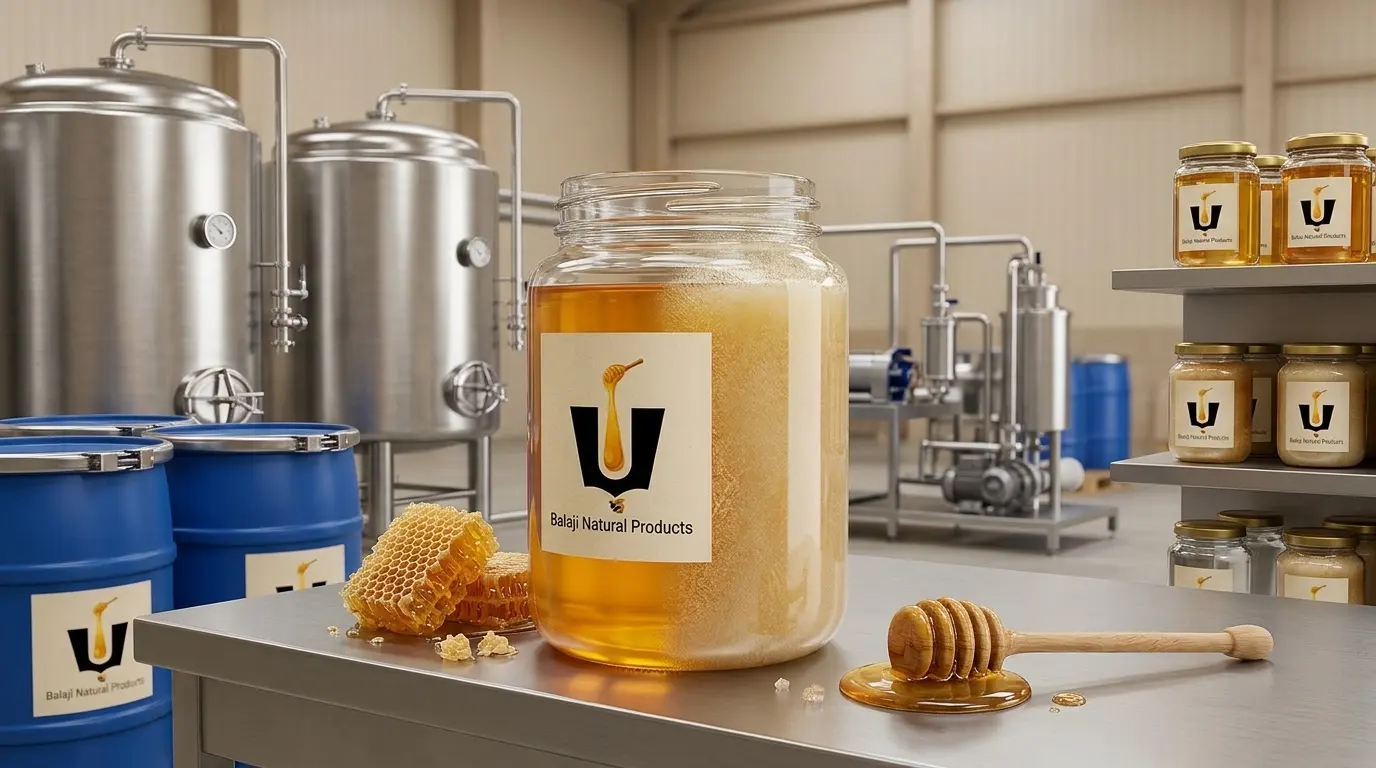
Honey crystallization is a natural process that affects its texture, appearance, consistency, and handling. For every Honey Manufacturer India, understanding this process is important for maintaining product quality during bulk storage, processing, packaging, and distribution.
Many consumers believe crystallized honey has spoiled or contains added sugar. However, crystallization is a natural characteristic of genuine honey. It occurs when glucose, one of the primary natural sugars in honey, separates from the liquid and forms small crystals.
The speed of crystallization depends on several factors, including floral origin, glucose-to-fructose ratio, moisture content, temperature, and the presence of natural particles.
For manufacturers, exporters, and bulk suppliers, managing crystallization is essential to maintain consistent product texture and meet different customer expectations.
What Causes Natural Honey Crystallization?
Honey contains natural sugars, primarily glucose and fructose, along with water, enzymes, minerals, and other naturally occurring components.
Glucose has lower solubility in water than fructose. When honey contains more glucose than can remain dissolved, glucose molecules gradually form crystals.
Several factors influence this process:
Glucose concentration: Honey with higher glucose content generally crystallizes faster.
Fructose concentration: Higher fructose levels usually help honey remain liquid for longer.
Moisture content: Water content influences sugar concentration and crystallization behaviour.
Temperature: Certain temperatures encourage crystal formation more rapidly.
Natural particles: Pollen grains and other fine particles can act as starting points for crystal formation.
These factors explain why different varieties of honey develop different textures, even under similar storage conditions.
Does Crystallization Mean Honey Has Lost Its Quality?
No. Crystallization alone does not indicate that honey has spoiled, become adulterated, or lost its natural properties.
It is a physical change rather than proof of chemical deterioration. Crystallized honey can remain suitable for consumption when harvested, processed, and stored hygienically.
However, manufacturers should still monitor moisture levels, cleanliness, and storage conditions because crystallization does not automatically guarantee product safety.
How Honey Crystallization Affects Bulk Storage
Bulk honey storage requires careful planning because large quantities may remain in storage before processing, packaging, or dispatch.
For a Honey Manufacturer India, uncontrolled crystallization can create practical challenges when transferring honey between storage tanks, preparing batches, and maintaining consistent production schedules.
When honey crystallizes, its viscosity increases. This makes the product thicker and reduces its ability to flow freely through pipes, pumps, and processing equipment.
Changes in Viscosity and Storage Conditions
Liquid honey generally flows more easily than crystallized honey. As crystals develop, the product becomes thicker and may require additional attention during handling.
This can affect:
Pumping honey from storage tanks.
Transferring honey between containers.
Measuring and preparing bulk quantities.
Mixing different honey batches.
Maintaining consistent filling operations.
Manufacturers should understand the crystallization characteristics of each honey variety before deciding on storage and processing arrangements.
Choosing Suitable Bulk Storage Containers
The choice of storage container is important for maintaining honey quality.
Bulk honey should be stored in clean, food-grade, moisture-resistant, and non-reactive containers.
Common commercial storage options include:
Food-grade stainless steel tanks.
Suitable food-grade plastic containers.
Food-grade coated metal drums.
Properly sealed bulk storage vessels.
Containers should be completely clean and dry before filling. Secure closures also help reduce moisture absorption and protect honey from dust, insects, and other contaminants.
Explore Balaji Natural Products' Bulk Honey Packaging Options for information about commercial honey packaging solutions.
Temperature Management and Its Role in Honey Crystallization
Temperature is one of the most important factors affecting honey crystallization.
Honey stored at different temperatures can develop different textures over time. Cooler conditions, particularly around 10°C to 15°C, can encourage relatively rapid crystal formation in many honey varieties.
At temperatures above approximately 25°C, crystallization generally slows down. However, maintaining high temperatures for extended periods is not recommended because excessive heat can affect honey's natural quality, flavour, colour, and enzymes.
Recommended Practices for Temperature Control
Manufacturers should establish consistent storage conditions based on the honey variety, processing requirements, and intended product characteristics.
Important practices include:
Avoid unnecessary temperature fluctuations.
Keep storage containers away from direct sunlight.
Avoid placing honey near boilers, heating equipment, or other heat sources.
Monitor storage temperatures regularly.
Avoid unnecessary refrigeration when maintaining liquid consistency is the objective.
Use controlled warming when crystallized honey needs to be processed.
There is no single temperature that suits every honey variety and commercial application. Storage decisions should consider product composition and expected storage duration.
Why Excessive Heating Should Be Avoided
Heating can dissolve existing glucose crystals and return honey to a liquid state. However, excessive or prolonged heating can negatively affect its natural characteristics.
High temperatures may contribute to changes in colour, flavour, aroma, and heat-sensitive enzymes.
A professional honey processing operation should therefore use controlled warming rather than uncontrolled direct heating. The objective is to achieve the required consistency while protecting overall product quality.
How Honey Crystallization Influences Processing and Handling
Crystallization can create operational challenges during commercial honey processing.
When honey becomes thick, it may not move easily through processing lines. This can affect filtration, blending, pumping, and filling operations.
For manufacturers handling large quantities, these challenges can influence production time and equipment efficiency.
Managing Crystallized Honey Before Processing
If bulk honey has crystallized, manufacturers may use controlled warming to restore its flowability.
The process should be planned according to the volume of honey, degree of crystallization, and equipment being used.
Good processing practices include:
1.Inspect the honey before beginning processing.
2.Identify the extent of crystallization.
3.Assess whether controlled warming is required.
4.Use suitable equipment to distribute heat evenly.
5.Avoid prolonged exposure to high temperatures.
6.Check consistency before transferring honey to the next processing stage.
Manufacturers should also maintain batch records to track processing conditions and ensure consistency.
Maintaining Consistency During Filtration and Blending
Crystallized honey can make filtration and blending more difficult because thicker honey moves less easily through processing equipment.
Before filtration, honey may require controlled temperature management to achieve a suitable flow.
Blending also requires attention because different honey varieties can have different glucose and fructose ratios.
A well-planned blending process helps manufacturers achieve the desired consistency, colour, and flavour profile. However, blending should never be used to conceal quality problems or replace proper quality testing.
How Honey Crystallization Affects Retail Shelf Life
Retail shelf life is an important consideration for honey manufacturers, distributors, and private-label brands.
Consumers generally expect packaged honey to maintain a consistent appearance, texture, and usability throughout its intended storage period.
Crystallization can change the appearance of honey inside a retail container. Liquid honey may gradually become cloudy, thick, grainy, or partially solid.
Although these changes are generally natural, they can influence customer perceptions and purchasing decisions.
Does Crystallized Honey Have a Shorter Shelf Life?
Crystallization does not automatically reduce honey's shelf life.
Properly processed and stored honey is naturally stable because of its low water activity and other chemical characteristics.
However, moisture absorption, unsuitable storage, contamination, and poor packaging can create quality problems.
Manufacturers should distinguish between natural crystallization and actual deterioration.
For example, fermentation may occur when honey contains excessive moisture and suitable yeast activity. Signs such as unusual bubbling, foaming, or fermented odours require investigation rather than being attributed to crystallization alone.
Packaging Considerations for Retail Honey
Packaging plays an important role in maintaining honey quality and protecting its appearance.
Retail honey should be packed in suitable, food-grade containers with secure closures.
Common packaging options include:
Glass jars: Suitable for premium retail products.
Food-grade PET bottles: Convenient for everyday use.
Squeeze bottles: Designed for easy dispensing.
Bulk packs: Suitable for commercial customers.
Packaging should protect honey from moisture absorption, contamination, and unnecessary exposure to environmental conditions.
Clear labelling is equally important. Storage instructions can help consumers understand how to maintain product quality after purchase.
How Honey Manufacturers Can Manage Uncontrolled Crystallization
Although natural crystallization cannot always be prevented, manufacturers can manage the process through suitable handling, processing, and storage practices.
For a Honey Manufacturer India, the objective should be to maintain the required product consistency without compromising natural honey quality.
1. Understand the Honey's Floral Origin
Different floral sources produce honey with different natural sugar compositions.
Some varieties remain liquid for extended periods, while others crystallize relatively quickly.
Understanding the floral origin helps manufacturers anticipate changes in texture and select appropriate storage and packaging methods.
2. Maintain Appropriate Storage Conditions
Stable storage conditions help manufacturers manage the crystallization process.
Temperature monitoring, moisture protection, and proper container sealing should be part of routine storage management.
3. Use Controlled Processing Techniques
If liquid honey is required for retail packaging, controlled warming can help dissolve existing crystals.
Processing temperatures and exposure times should be carefully monitored to protect the product's natural characteristics.
4. Maintain Consistent Quality Checks
Regular quality checks help manufacturers identify changes in honey composition and physical characteristics.
Important parameters include:
Moisture content.
Colour and appearance.
Aroma and flavour.
Viscosity and consistency.
Sugar composition.
Signs of fermentation or contamination.
These checks support consistent production and help businesses meet customer specifications.
What Bulk Honey Buyers Should Check Before Selecting a Supplier
Businesses purchasing honey in large quantities should evaluate more than price and availability.
The supplier's approach to storage, handling, packaging, and quality management can influence product performance throughout the supply chain.
Before selecting a supplier, buyers should consider:
Storage facilities: Check whether the supplier uses suitable food-grade storage containers and appropriate environmental controls.
Quality documentation: Request relevant laboratory reports, product specifications, and batch information.
Handling practices: Understand how the supplier manages crystallized honey and prepares bulk quantities for processing.
Packaging options: Confirm whether the supplier can provide suitable containers for the intended application.
Batch consistency: Discuss how the supplier maintains consistent product characteristics across different deliveries.
For international buyers, export documentation, destination-market requirements, and packaging specifications should also be considered.
Choosing an experienced supplier can make bulk procurement and long-term business relationships easier to manage.
How Balaji Natural Products Approaches Honey Quality and Supply
Balaji Natural Products focuses on honey manufacturing and bulk supply requirements, supporting businesses that need dependable honey sourcing and packaging solutions.
With more than 20 years of experience in the honey industry, the business understands the importance of product handling, storage, and consistency for commercial buyers.
Bulk honey requirements can differ depending on the intended application. Food manufacturers, distributors, wholesalers, and private-label businesses may have different expectations regarding honey varieties, quantities, packaging, and product specifications.
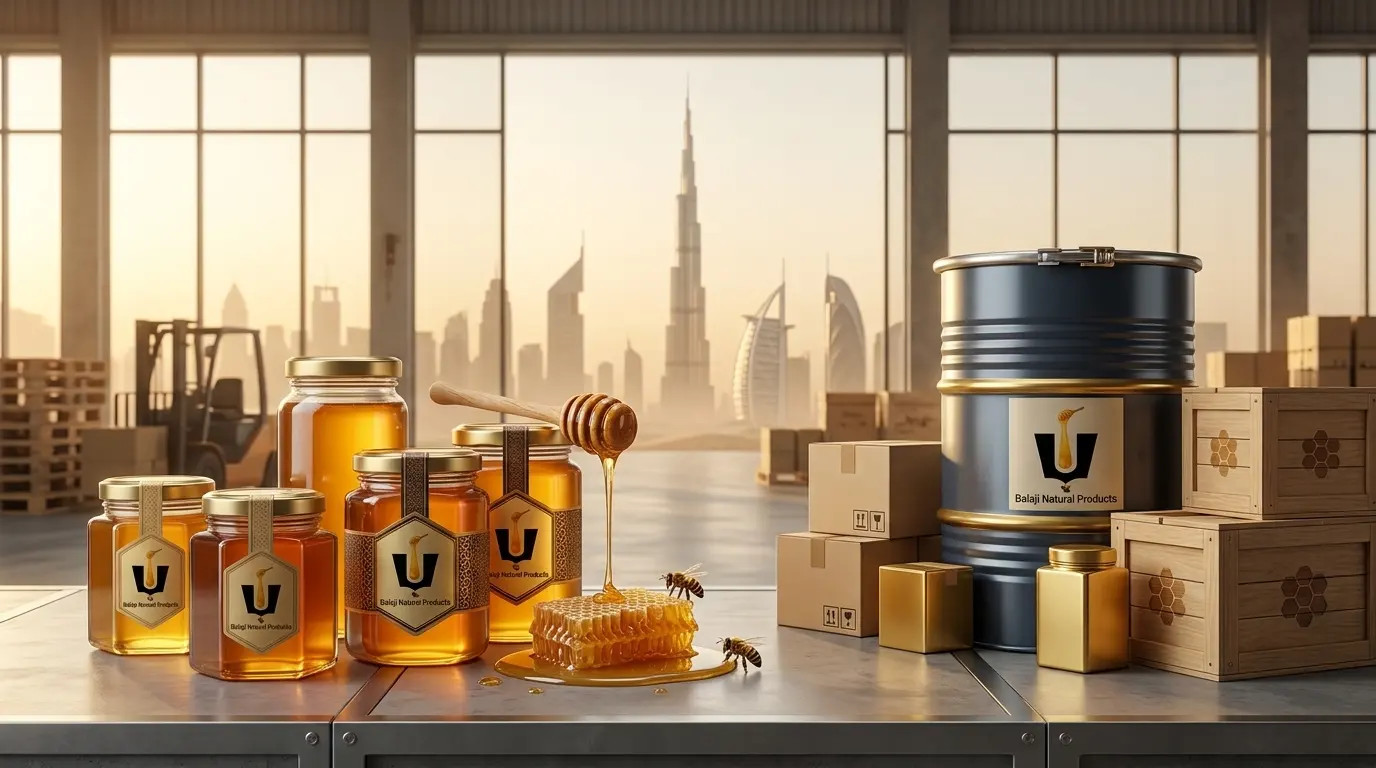
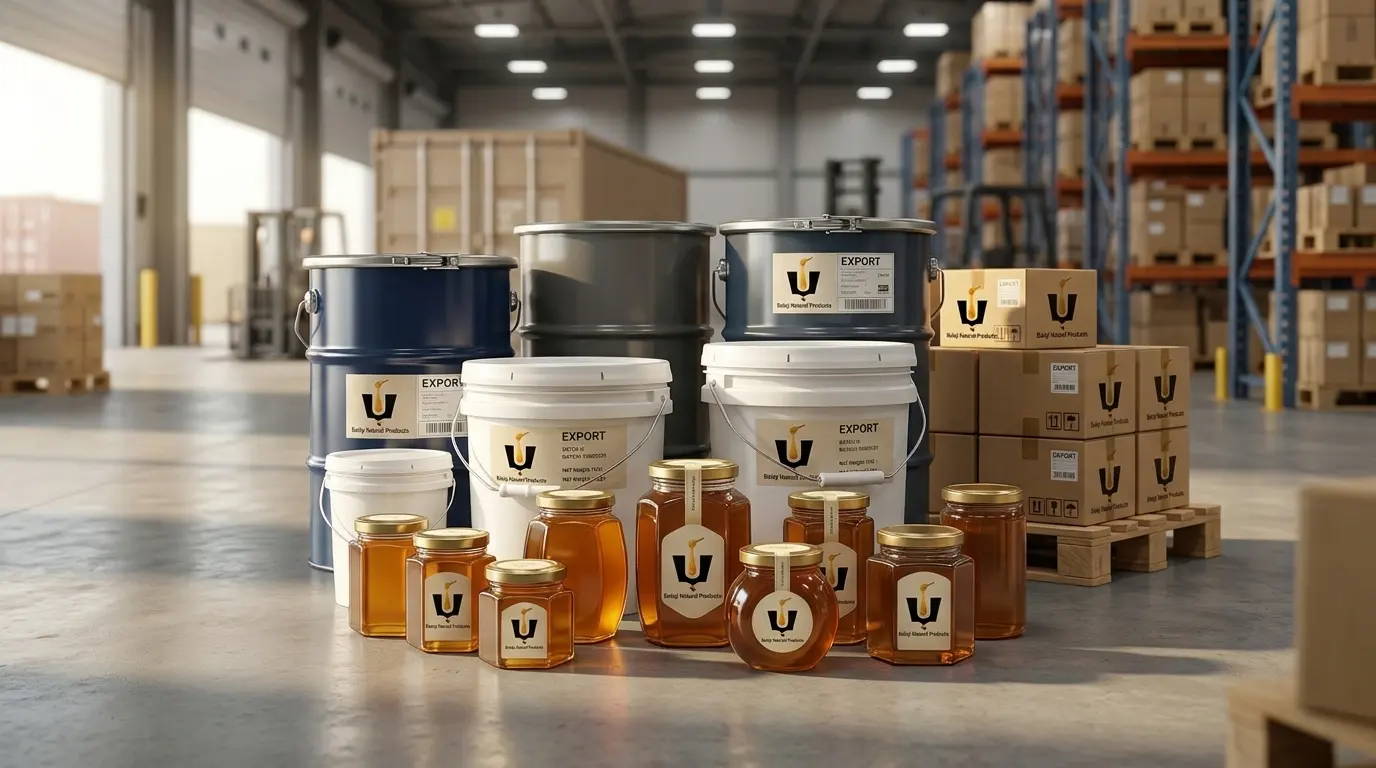
Balaji Natural Products supports bulk and private-label honey requirements through packaging options such as buckets, cans, and epoxy-coated drums, depending on customer specifications.
For businesses evaluating a long-term honey supply partner, discussing product requirements, quality documentation, packaging preferences, and storage expectations is an important first step.
Explore Balaji Natural Products' Honey Manufacturing and Bulk Supply Solutions to learn more about its products and commercial supply options.
Final Thoughts
Honey crystallization is a natural process that manufacturers and suppliers should understand rather than automatically treat as a quality problem.
It can influence bulk storage, processing efficiency, packaging operations, and the visual appearance of retail honey. However, appropriate temperature management, moisture protection, suitable packaging, and regular quality checks can help businesses manage these changes effectively.
For every Honey Manufacturer India, maintaining product consistency requires attention throughout the supply chain, from bulk storage to final retail packaging.
Buyers should also understand that crystallization does not necessarily indicate poor quality or spoilage. It is a natural characteristic influenced by honey composition and storage conditions.
Working with an experienced honey manufacturer and supplier helps businesses make informed decisions about bulk procurement, processing, and packaging requirements.